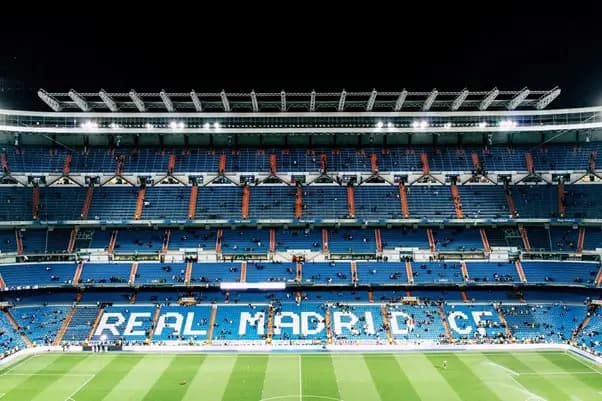
The Special One Returns: José Mourinho joins Real Madrid again
6/23/2026
The global football community is buzzing with reports that José Mourinho has agreed to return to Real Madrid after more than a decade away. As one of the most compelling football stories of the season, this potential managerial change has ignited intense discussions among supporters worldwide. This shocking potential appointment raises critical questions about tactical evolution and whether Mourinho's traditional, high-stakes management style can still deliver elite results in the current era.
Why Real Madrid Turned to Mourinho Again
Florentino Pérez’s rumored decision to re-hire Mourinho is a direct response to Real Madrid’s need for immediate defensive discipline and proven tournament management. Football analysts highlight several key advantages that the Portuguese tactician brings to Santiago Bernabéu:
Immediate defensive structure in high-stakes knockout stages.
A historical guarantee of silverware within his first two seasons.
Masterful handling of intense media scrutiny and high-profile dressing rooms.
For a club where a single trophyless season is considered an outright failure, Mourinho provides an immediate tactical insurance policy. It is this reputation for delivering results that causes futures markets and title odds on networks like Pin Up to react so sharply to his arrival, as his system fundamentally simplifies the path to victory.
How Football Has Changed Since His First Spell in Madrid

Since Mourinho’s departure from Spain in 2013, the tactical landscape of elite football has shifted drastically from low-block counter-attacks to an era of relentless, high-intensity pressing. Modern elite matches now rely heavily on:
High-intensity counter-pressing immediately after losing possession in the final third.
Fluid positional interchanging designed to overload defensive half-spaces.
Active goalkeeper involvement as a primary distributor in short build-ups.
Mourinho’s traditional 4-2-3-1 setup must now contend with incredibly complex inverted structures and aggressive physical demands. Tracking these constantly changing tactical metrics and real-time performance data has become an integral part of understanding modern European soccer. To analyze the high intensity and rapid transitions that define modern soccer, viewers can use platforms such as Pinup, which reflect these dynamic statistical shifts as matches unfold.
Experts note that adapting to these conditions will be the Portuguese manager’s biggest test. A well-known European soccer analyst and tactical observer notes:
“Modern soccer demands that top clubs maintain constant, proactive pressing and flexibility in possession, something that Mourinho’s teams in his later years sometimes lacked. However, in knockout cup matches, his ability to ‘shut down’ the game and neutralize the opponent’s strengths remains the gold standard. The only question is whether the new generation of Madrid stars will accept his strict demands.”
If Mourinho can successfully modernise his man-management to inspire rather than alienate these young talents, his pragmatic approach could provide the perfect defensive counterweight to their raw attacking instincts.
The Biggest Challenges Waiting for Mourinho
Adapting his notoriously confrontational style to today's more collaborative player-coach dressing room remains a major hurdle for Mourinho, especially considering the internal friction that marked the end of his tenures at Manchester United and Tottenham.
Furthermore, navigating intense Spanish media scrutiny while simultaneously managing modern icons like Kylian Mbappé and Jude Bellingham will demand immense diplomatic finesse. His historical trajectory over the past decade highlights how the demands of the sport have evolved:
Club Managed | Tenure Years | Matches Played | Win Percentage | Major Silverware Won |
Real Madrid | 2010 – 2013 | 178 | 71.91% | La Liga, Copa del Rey, Supercopa |
Chelsea (2nd Spell) | 2013 – 2015 | 136 | 58.82% | Premier League, League Cup |
Manchester United | 2016 – 2018 | 144 | 58.33% | UEFA Europa League, EFL Cup |
AS Roma | 2021 – 2024 | 138 | 49.28% | UEFA Conference League |
However, his unique capability to secure crucial, pragmatic victories in high-stakes knockout tournaments remains his primary calling card as an elite European coach.
Key Players Who Could Thrive Under His Leadership
A tactical transition requires the right personnel, and Real Madrid's current squad boasts several profiles that perfectly fit Mourinho's transitional blueprint. Versatile midfielders like Federico Valverde and Eduardo Camavinga possess the immense stamina required for deep defensive coverage and rapid counter-attacking execution. In defense, Antonio Rüdiger’s physical aggression makes him the ideal tactical anchor for a low-block system.
Evaluating how individual squad profiles align with a manager's philosophy is a cornerstone of modern sports analysis. To assess team readiness and project match outcomes under new tactical systems, enthusiasts frequently cross-reference detailed player metrics and roster depth, often utilizing the comprehensive statistical databases and tracking features available on the Pinup Betting and casino platform.
What Success Would Look Like in His Second Era

At Real Madrid, the threshold for success is absolute. Merely finishing as runners-up or reaching a semi-final is insufficient for a club of this magnitude. For Mourinho's second tenure to be deemed a complete success, he must hit specific institutional targets within his first twenty-four months:
Secure either the La Liga title or the UEFA Champions League within 24 months.
Successfully integrate young superstars without creating long-term dressing room friction.
Establish a sustainable defensive structure that balances the squad's immense attacking flair.
The pressure to deliver immediate success will remain a major talking point throughout the season, as Real Madrid's progress continues to be followed closely across sports media, including Pin Up Africa.
Reactions From Fans and Football Pundits
The announcement of Mourinho's return has completely divided opinion across the football landscape. Pundits argue that his appointment is a retrograde step, claiming that his defensive philosophies are outdated compared to fluid, possession-based systems implemented by contemporary coaches. They fear his confrontational nature could disrupt the club's long-term internal stability.
Conversely, a large segment of the fanbase remains incredibly enthusiastic about the return of the "Special One." As millions of supporters follow breaking football news, managerial changes, and major developments surrounding Europe’s biggest clubs via the Pin-Up platform, the global community has erupted into endless debates, reviews real-time market adjustments, and analyzes expert commentary regarding this historic managerial appointment.
Conclusion
José Mourinho’s return to Real Madrid is undoubtedly one of the most ambitious and high-stakes managerial appointments of the modern era. While the tactical landscape of football has evolved significantly since his last spell in Spain, his core strengths—defensive organization, big-match pragmatism, and an unmatched winning mentality—remain highly valuable assets. Whether this second era ends in a spectacular collection of trophies or tactical friction, keeping pace with updates promises to keep football fans thoroughly engaged as this unmissable chapter in football history unfolds.