Learn Why Football Academies Shape Players for the Future
10/22/2026
Why Football Academies Are Central to Long-Term Player Development
Talent will surely distinguish a kid among his peers at a local match. It requires many years of hard work for talent to translate itself into a solid skill in football. Youngsters require coaches who are aware of their age level, provide opportunities to play frequently, and allow them to make mistakes. An academy is the answer to this need.
Football is also played by the locals in Djibouti as part of their community activities. Kids play the game wherever they can, and adults support their local teams and analyze their formations. Some people also have a knack for betting on football matches. For adults who decide to indulge in such activities, Melbet registration is one way to create an account and engage in sports betting. Once registered, they can follow upcoming fixtures, compare betting odds, and make predictions based on team performances.
Starting With Skills That Last
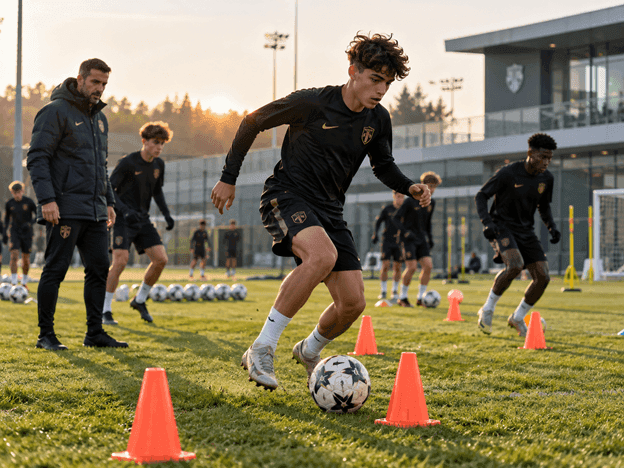
The Academy coaches devote a lot of their training to fundamentals. The youngster learns how to control the ball, receive a pass, and turn to elude an opponent. It all seems quite mundane; however, these movements occur virtually every second of the game. The training provides plenty of opportunities for kids to do that, but not by sitting through lengthy lectures.
The success of graduates is often evident when they make their first appearance in a senior squad. A player’s self-assurance or a surprising inclusion in the team’s lineup can completely alter any pre-game talks. People who like sports betting can find team information and odds via Melbet login. They can also compare available betting markets and consider how the arrival of young players might affect a team's chances in upcoming matches.
From Simple Drills to Real Decisions
Initial drills need to ensure that all players receive adequate touches. As players become better at what they are doing, coaches start incorporating opposition, time constraints, and confined areas. In addition, a midfielder who can make accurate passes under no pressure needs to be able to do so under pressure.
Development area | Everyday academy focus |
Ball technique | Receiving, passing, and close control |
Match understanding | Movement and choosing when to act |
Physical conditioning | Balancing, coordination, and exercising safely |
Personal growth | Confidence and self-discipline |
Team habits | Listening and communicating with others |
Why Good Coaching Changes the Journey
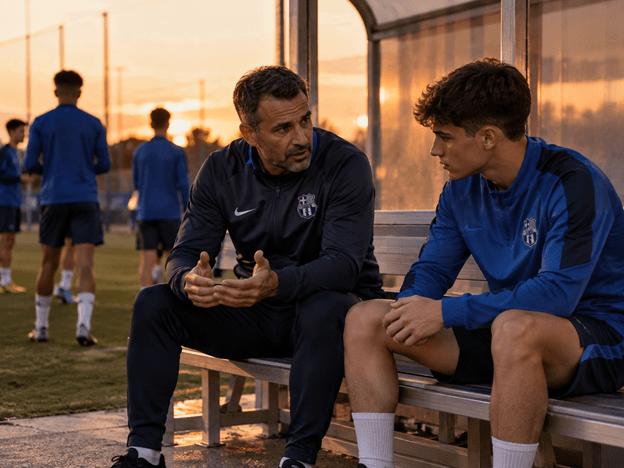
All kids learn at various paces. The first kid might grasp a showcase instantly, but the second might need multiple tries. If the coaches understand these differences, they can adjust the drill without leaving anyone behind. Constructive feedback is always welcome. It would be much more useful for them to instruct the defender to position themselves at an angle before passing the ball.
Giving Players Confidence to Experiment
New roles should be tested out by children at an academy. The winger can take up the position of full-back to learn to use space as a defender. The striker can change position to become a midfielder to understand the timing of the pass better.
Useful coaching habits include:
Setting realistic goals for every training period.
Giving them feedback about areas that need improvement.
Letting the children work out the problem themselves in small-sided games.
Noticing gradual improvement even after poor performance.
The goal is to cultivate independent-minded players. While sideline instructions can easily resolve a current situation, the game evolves too rapidly for the coach to provide guidance on every move.
Growing Stronger at the Right Pace
Football requires sudden changes in direction, constant running, and tackling of other players. Young people's bodies need time to adapt to this workload. Chasing and moving exercises could help children learn to maintain their balance without making physical training a test. Older kids can participate in increasingly difficult exercises that would match the tempo of their matches.
Two children of the same age can be at very different levels of physical development. This means that coaches cannot rely solely on their players' dates of birth when planning physical training. A growth spurt may temporarily affect coordination, even in a well-trained player. Proper adjustments will enable him to continue improving his skills.
Rest and Everyday Health
Training is not all that goes into physical development. Rest, proper diet, and relaxation are important factors for recovery. The academy can teach about these aspects in simple terms and try to engage parents as well. The player will have difficulty concentrating much earlier than they feel fatigue in their legs.
Keeping School and Football Together
Not many academy-trained players go on to make a living through playing professional football. It is important to ensure that education has its rightful place in any such program for the young players. Time for studies and school, along with the demands of training, can be accommodated into clear schedules.
Learning to Be Part of a Group
Children with varied personalities form a team. While some may be quick talkers, others may require encouragement before joining conversations. Assigning shared duties helps them to settle into their roles. The children learn to turn up well-prepared, to respect their opponents, and to react appropriately when mistakes are made by their fellow teammates.
These skills can be developed by assigning small tasks to the players. One of the players can be made captain of the warm-up team, while another can help arrange their equipment.
Matches Turn Practice Into Experience
With exercises, it is possible to pause and fix an action. In the game, such an opportunity is absent. Sudden emergence of an opponent, unpredictable ball behavior, and limited time to make decisions – all of these are typical in practice. Regular play in numerous matches enables youth football players to adapt their training to such situations.
Making Competition Meaningful
Academies can build a balanced calendar around several forms of play:
Competitive leagues that offer solid match-play experience.
Practice matches to try out different playing formations and roles.
Tournaments that pit them against teams not so well-known to them.
Mini-games that would prompt them to take more touches and make more decisions.
The player will be able to spot danger early on because he will have faced a fast opponent. It’s difficult to mimic such situations in training sessions. Matches show the areas that coaches need to train in.
A Stronger Path for Young Players in Djibouti
Good coaching in Djibouti can influence the development process of young football players. Practice sessions conducted by local football clubs and academies are crucial to ensuring that young people have the opportunity to train closer to their homes. Good time management, access to drinking water, and proper pitch maintenance make participation possible.
Fédération Djiboutienne de Football may be used as an intermediary between youth development programs and the country. Knowledge transfer can be effectively facilitated through well-educated coaches and cooperation between the football clubs. It is important that a child can apply their acquired skills even as they advance to another age group.
The Work That Shapes Tomorrow's Football
Effective academies are measured in years, not weekends. Such academies are considered when taking into account those who have learned the game and know how to look after themselves both medically and when playing as a team.
In Djibouti, nurturing young footballers would benefit local clubs by helping to build strong teams and develop players for senior football tournaments. Some of them may grow up to become coaches, while others can remain within the club as volunteers.