How Public Sport Facilities Shape Modern City Life
9/21/2026
Modern cities across the globe invest in the development of public sports facilities. Today, stadiums, courts, and recreational parks make a significant part of urban planning projects. In addition to providing citizens with the opportunity to practice sports, such facilities shape the way people move around, the value of real estate, and their interactions. Consider the ways such projects affect the life of neighborhoods.
Public Basketball Courts as Social Centers
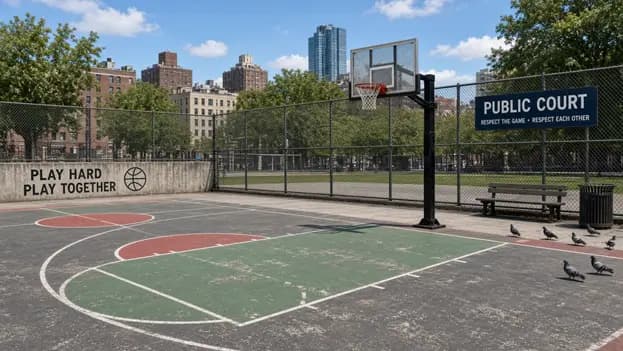
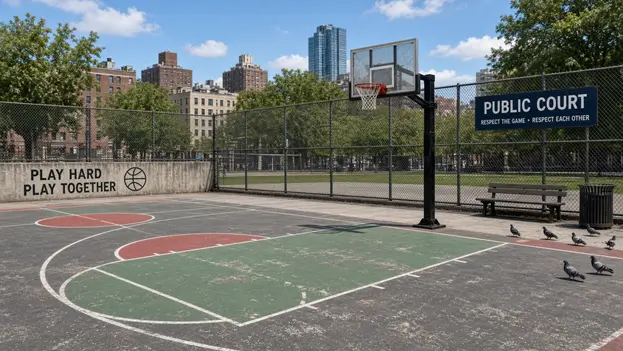
One of the most popular facilities created by the redevelopment of urban land is basketball courts. These courts do not require much space compared to stadiums. For this reason, such courts are a priority for local administrations. They are also attractive to many people of various age categories. Teenagers, young adults, and even retired citizens use them for practicing, competing, and just spending time in company.
In many cases, neighborhoods organize informal championships on such courts. The fans of such tournaments gather from many blocks to watch games. Some fans watch the scores live and talk about the basketball betting (Turkish: basketbol iddaa) during significant matches while sitting on the adjacent benches. To facilitate such activity, cities install better lighting and additional seats near such courts.
Mobile Connectivity Makes People Feel Close to the Action
Today, sports events take place in new conditions due to the rise of digital technology. Modern sports facilities usually have charging stations and free Wi-Fi to make fans comfortable using their mobile devices during matches. With the help of smartphones, people can check stats, replay the most interesting moments, or observe other matches at the same time. It means that facility designers should pay attention to the connectivity of their buildings.
The attendance rate at community sport events increases with the improvement of digital infrastructure in the neighborhood. Many sports fans and followers use the MelBet mobil applications to monitor odds while watching games. It makes clear that the modern spectator uses mobile convenience. It is noticeable for the managers of such facilities that better connectivity leads to longer visits from fans.
Such social and technological trends create numerous benefits for neighborhoods where such facilities are situated. Some of these advantages are described in the list below.
Higher foot traffic – More visitors appear in nearby shops and cafes on event days.
Extended public use – Better lighting and connectivity increase the time of using the facilities.
Gathering points for residents – Courts and parks become informal gathering points for locals.
Active youth – Organized activities give young residents an opportunity to spend time in a supervised and active way.
These advantages affect not only facilities but also the operation of the streets and other elements of the neighborhood. Many local businesses change their schedules according to the sports facility schedule.
Economic Ripple Effects of New Facilities
Building new sports facilities usually requires significant initial investments from the public sector. Jobs in the process of construction, maintenance, and event management provide additional employment opportunities for local people. The economists studying urban development point out that facilities do their best when accompanied by transit access or nearby shopping opportunities. A stadium without any public transportation nearby is less likely to produce steady economic effects.
The value located next to well-maintained public sports facilities tends to grow with time. Both homeowners and tenants receive benefits from increased amenities and decreased vacancy rates. However, scientists warn about great variability in these effects depending on the facility size and demographic specifics of the area. Cities need accurate economic predictions instead of general assumptions about positive financial outcomes for every sports facility.
Green Spaces and Public Health Benefits
Usually, green spaces such as walking trails and open fields are built near sports facilities. They motivate locals to become more physically active, even if they are not engaged in playing sports. Public health specialists connect the availability of recreational spaces with a decrease in the number of people suffering from sedentary lifestyle-related conditions. Even small constructions, such as a basketball court, may significantly increase the level of activity in the neighborhood.
Facility Type | Primary Benefit | Typical Urban Location |
Neighborhood courts | Youth engagement | Residential blocks |
Multi-use stadiums | Economic activity | Downtown or transit hubs |
Public parks | Physical health | Mixed residential zones |
Recreation centers | Community programming | School-adjacent areas |
This table demonstrates how each type of facility is likely to be used according to its primary functions. Planners match the facility type with the needs of the local community.
Accessibility and Inclusive Design
The modern sports facilities pay more attention to the accommodation of the local population with different physical conditions. Modern design includes ramps, special equipment, and wider passages in the process of construction. City planners begin to consult accessibility specialists during the planning process instead of adding this feature at the end of facility building.
Inclusive design also includes consideration of visitors with other special needs related to sensory experience. There are usually some quiet areas for visitors with different preferences in some facilities. The signs that are easily readable and visible for everyone have become a standard part of the design of the modern sports facility.
Environmental Issues in Facility Construction
Sustainability became an important issue in the design of public sports facilities. Now, many cities require energy-efficient lights and conservation measures in the process of construction. The use of solar panels and recycled materials in the process of building became more popular over the past ten years. Such facilities require lower operating costs in the long run and become environmentally-friendly at the same time.
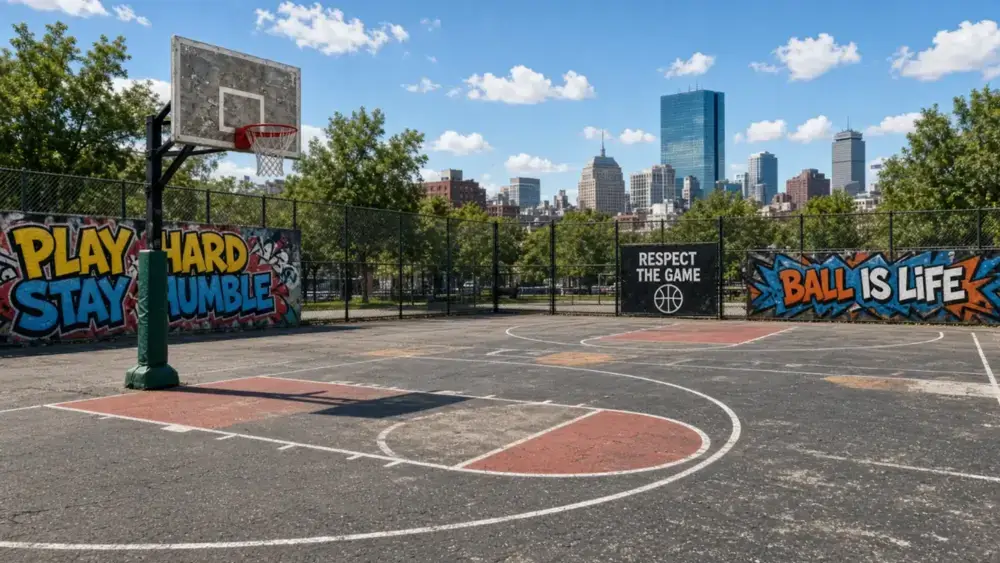
The rainwater collection system is becoming a part of the construction of recently built recreational parks. The water gathered there can be used for the irrigation of adjacent green areas and becomes an alternative source of water supply. The city planners think about the urban heat effect caused by big paved areas. Trees and permeable surfaces become a solution for the problem.
Maintenance and Long-Term Safety Issues
All public facilities are in constant need of maintenance budgets, which many cities underestimate during the early stages of construction. Deteriorated surfaces, malfunctioning machines, and old-fashioned lighting may render the facility unusable relatively quickly. Many municipal governments find it difficult to balance maintenance costs with the pressures to finance new constructions elsewhere. Without regular maintenance, any facility will fall apart within a few years regardless of its original design.
Another aspect that is becoming more and more important in this situation is security. To ensure safety, some cities implement the following changes:
Camera systems – Installed at entrance points and other places to prevent vandalism.
Scheduled staffing – Attendants present during the peak hours to control the situation.
Emergency call points – Special stations for reporting accidents.
Regular inspections – Inspections of the facilities' condition and equipment.
Such solutions demand a continuous flow of financial investments, not one-time allocations from the budget. The cities that focus on maintenance tend to keep the facilities operational much longer than those concerned with construction only.
Getting Community Feedback and Making Long-Term Plans
The facilities that turn out to be successful usually include residents in the process of planning. It can be done through surveys and town halls, allowing the designers to learn about the real needs of the community. If the project does not take the opinions of local residents into account, the facility may become unused, no matter what kind of design it has and how expensive it was. Listening to people's opinions also allows finding out about practical issues, such as parking or transportation to the facility.
The planning committees sometimes include people from schools, health authorities, and local business organizations. The joint work can contribute to the alignment of the facility's tasks with the objectives of the development of the whole neighborhood. If cities keep the contacts between the parties after the construction, they are likely to get a sense of community ownership of the facility.
Building Better Cities With Public Sports Facilities
Public sports facilities can have an impact on far more factors than just physical activities. These facilities affect economic development, improve the life expectancy and lifestyle of citizens, and create places of community gathering. The cities that invest time in designing such facilities will benefit much more from the projects. As the number of urban citizens continues to grow, public sports facilities become more relevant.